Chinese Medicine - Theory
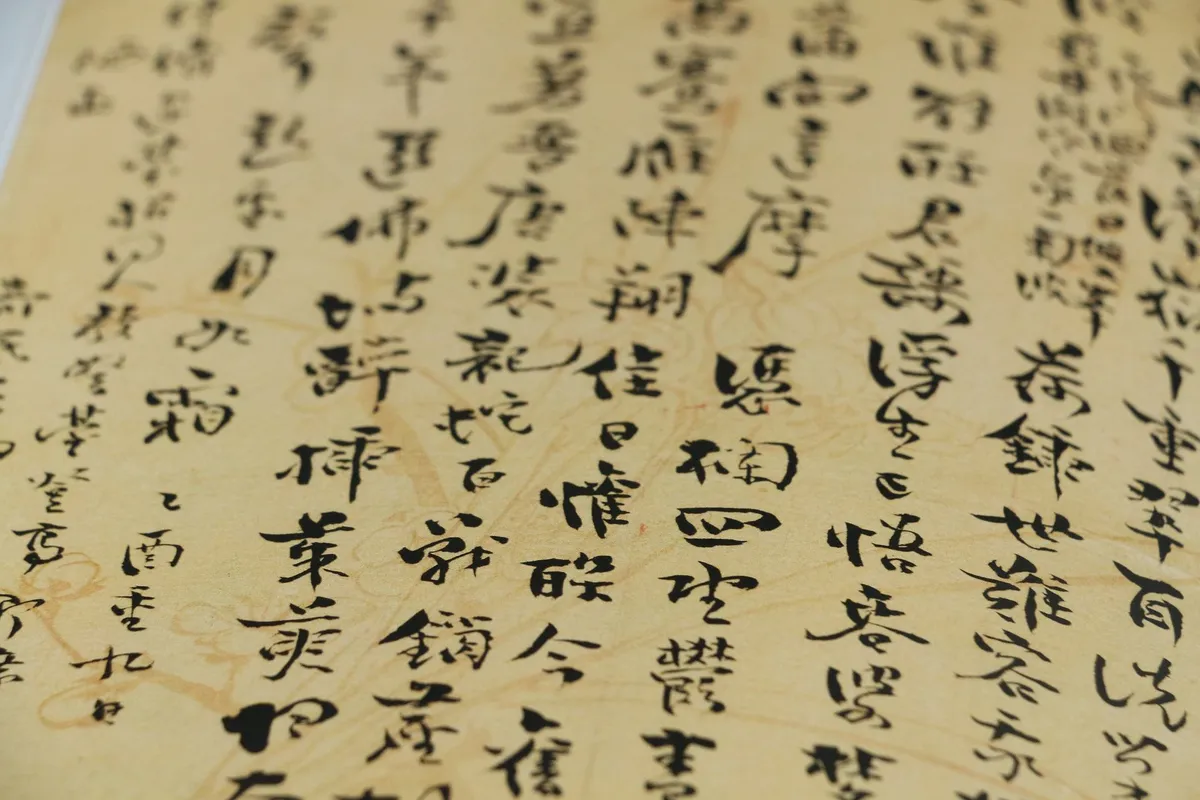
📜 The history we know probably begins around 3,000 years ago, from which period, according to some sources, the origins of the classic work "Huang Di Nei Jing," or "The Canon of Internal Medicine of the Yellow Emperor," date back to. It is one of the main works on the principles of Chinese medicine.
📜 It is written in the form of a dialogue between Emperor Huang Di and his teacher, a physician, Qi Bo. Interestingly, in the first chapter, Qi Bo explains to the emperor why all people in ancient times lived for a hundred years without signs of aging, while in modern times (3,000 years ago) it is different. Among other things, we learn the simple secrets of longevity and maintaining harmony and health.
📜 Since then, other important works have appeared, including: Shang Han Lun (describing cold-related illnesses), Jin Gui Yao Lue (herbal recipes for complex illnesses), Nan Jing (book of difficult questions), and many other classic works are the basis of teaching in schools of Chinese medicine.
🌿 This is actually how it used to be, because in the 20th century, it was slightly changed. Medicine was dressed up in boxes and tables, reduced to treatment algorithms, acupuncture points were assigned numbers (previously, their names were learned), and diagnosis was significantly simplified and promoted as so-called TCM (Traditional Chinese Medicine) in the West and, unfortunately, also in China.
Slowly, the knowledge of Classical Chinese Medicine (CCM) began to disappear. Fortunately, many masters preserved it and decided to pass it on, including traditional schools of inherited transmission, which are the official schools in China. The Qi Lu school, of which I am a member, also belongs to this school. 🌿
🌟 These days, it's increasingly difficult to find a good Classical Chinese Medicine therapist, which is why I value the teachings of our professor Li Jie so much. 🌟